The Art of Living Onstage
Demidov’s pedagogical charisma and research flame were at the heart of the development of the Art of Living Onstage (which is also the title of his third book and basic insight into the fundamentals of his approach). By developing his methods and techniques, Demidov managed to solve many problems of the actor’s creative process which the wilful and intellectual approach of Stanislavsky’s system failed to solve.
Nikolai Demidov discovered the neurological and psychological aspects of the actor’s creative state and for the first time ever he unlocked the hidden mechanisms of the creative process, where both the conscious and the subconscious become equal factors for the actor’s work and art.
Demidov’s signature etudes (improvisational exercises with a given text) enliven the entity of the inner world of the actor-creator, support the wholistic and indivisible training of the actor’s psychophysical instrument and restore the value of the actor as an equal partner in the creation of the artistic life onstage.
Demidov’s training techniques aim, first and foremost, to develop the actor’s instrument regardless of the role or the play. The technique of “non-restructuring” (surrender), the inexact-creative repetition (the equivalent of a painter’s right to multiple sketches and etudes) and the scales that are to be practised daily (the equivalent of a musician’s commitment) aim to free and enrich actor’s reflexes.
By suggesting specific and scientifically developed techniques, Demidov was the first to connect so convincingly the roots of the actor’s life onstage not with action but with perception, namely with the actor’s ability to perceive tangibly both the real and imaginary stimuli provided by his partner, his actual environment and the given circumstances of the play. Through this process, the actor can find the boldness to give in to the independent, indivisible and true life on stage.
The means of access he suggests in entering the creative process is contrary to almost all of the actor’s training methods and pedagogical approaches that were developed the 20th century. Demidov’s ways offer us the opportunity, especially in the times we live in, to trace a wondrous path for the restoration of the actor’s art and life on stage.
A path to intuition and inspiration
Nikolai Demidov’s School of Creative Freedom cultivates actor’s creative independence.
It paves a path for the actor to feel and follow intuitively his creative urges in the given circumstances or the circumstances that emerge on their own. It helps the actor to surrender to the life that is born on its own, without redirecting its truth.
Organic Technique’s roots rest in perception and not in action. The sensitivity of perception is the root for characters’ life and actions onstage. Action is not the result of any intellectual or analytical process but an immediate reaction to what the actor inhales/admits from the imaginary circumstances that are tangibly present in the real space.
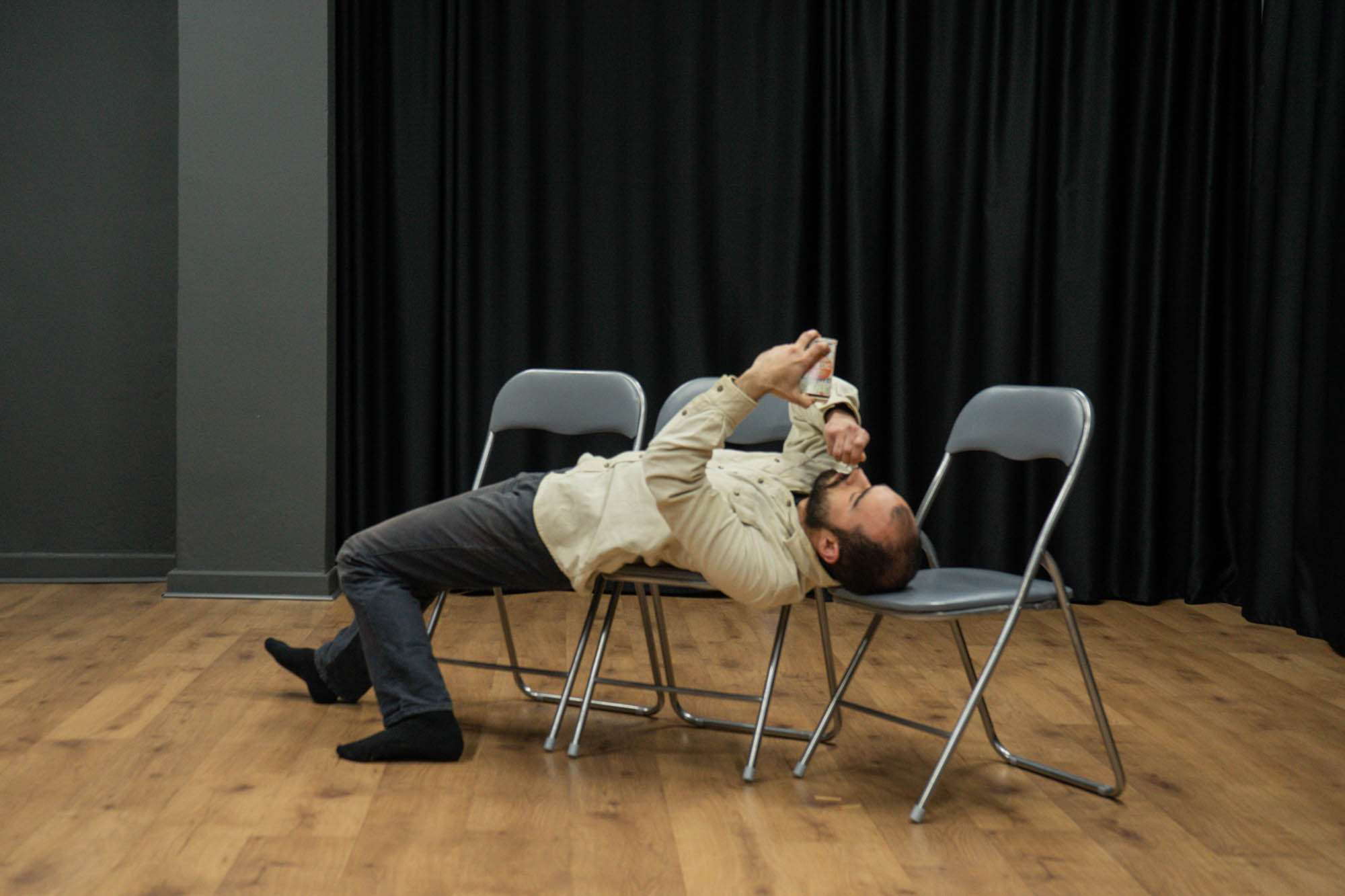
New reflexes and the subconscious creativity
The training is based mainly on the restoration of our reflexes, in order for the actor to develop automatisms which are vital for life onstage but usually remain inactive, because of our habitual braking mechanisms cultivated by our social life.
Demidov’s training liberates actor’s spontaneity and instinctive reactions and encourages a sense of freedom that is not afraid to accept the unpredictable as a precondition for the emersion of our emotional richness and the free flow of our subconscious creativity.
Unique scales, etudes and exercises inspire trust in the miniscule intuitive hint and liberate psychological breathing, through which the impression the actor breaths in causes an organic exhalation/response and inspires a genuine experience emotionally and physically, enriched by our collective experience as human beings.
Truth without compromise
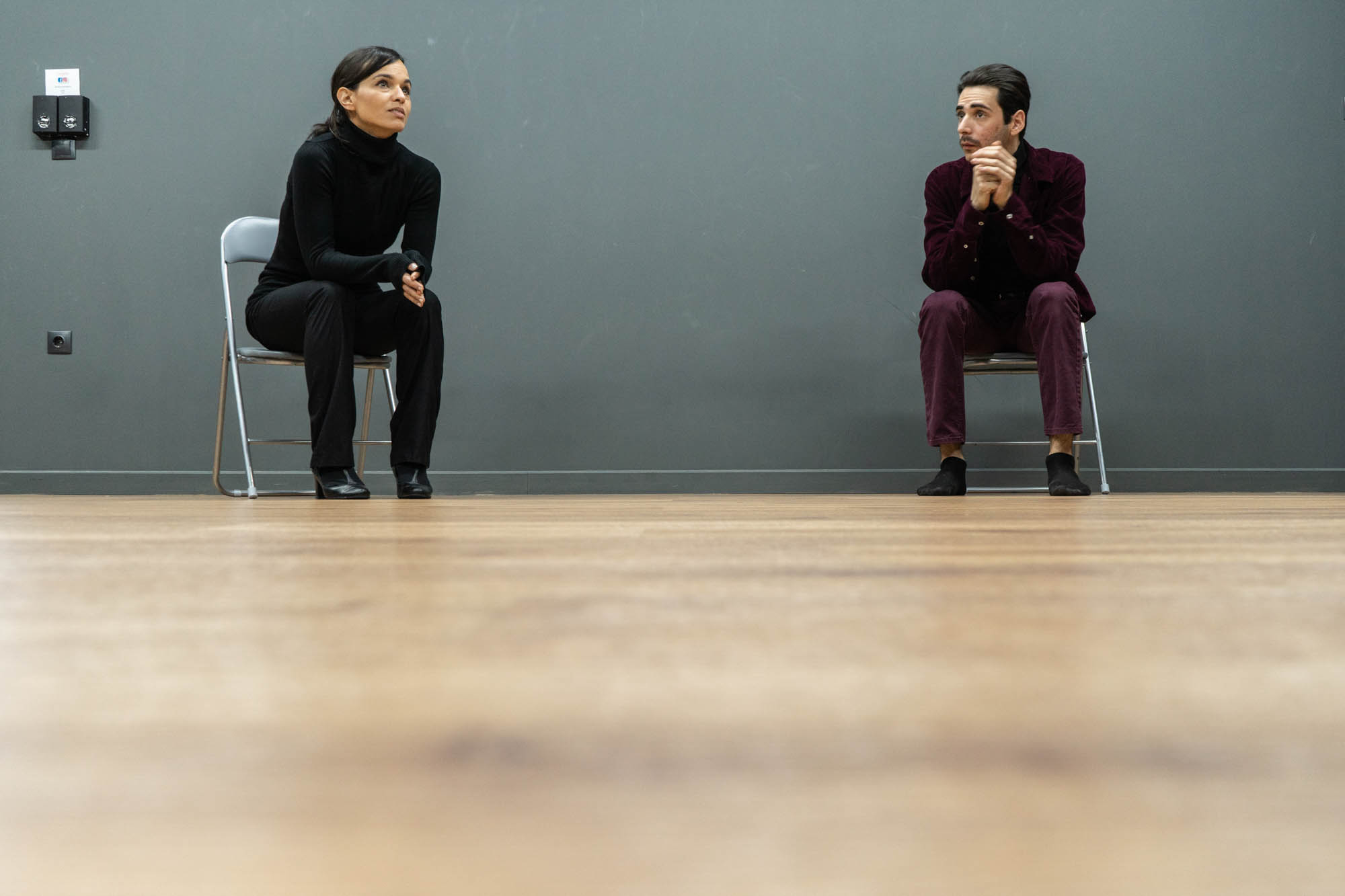
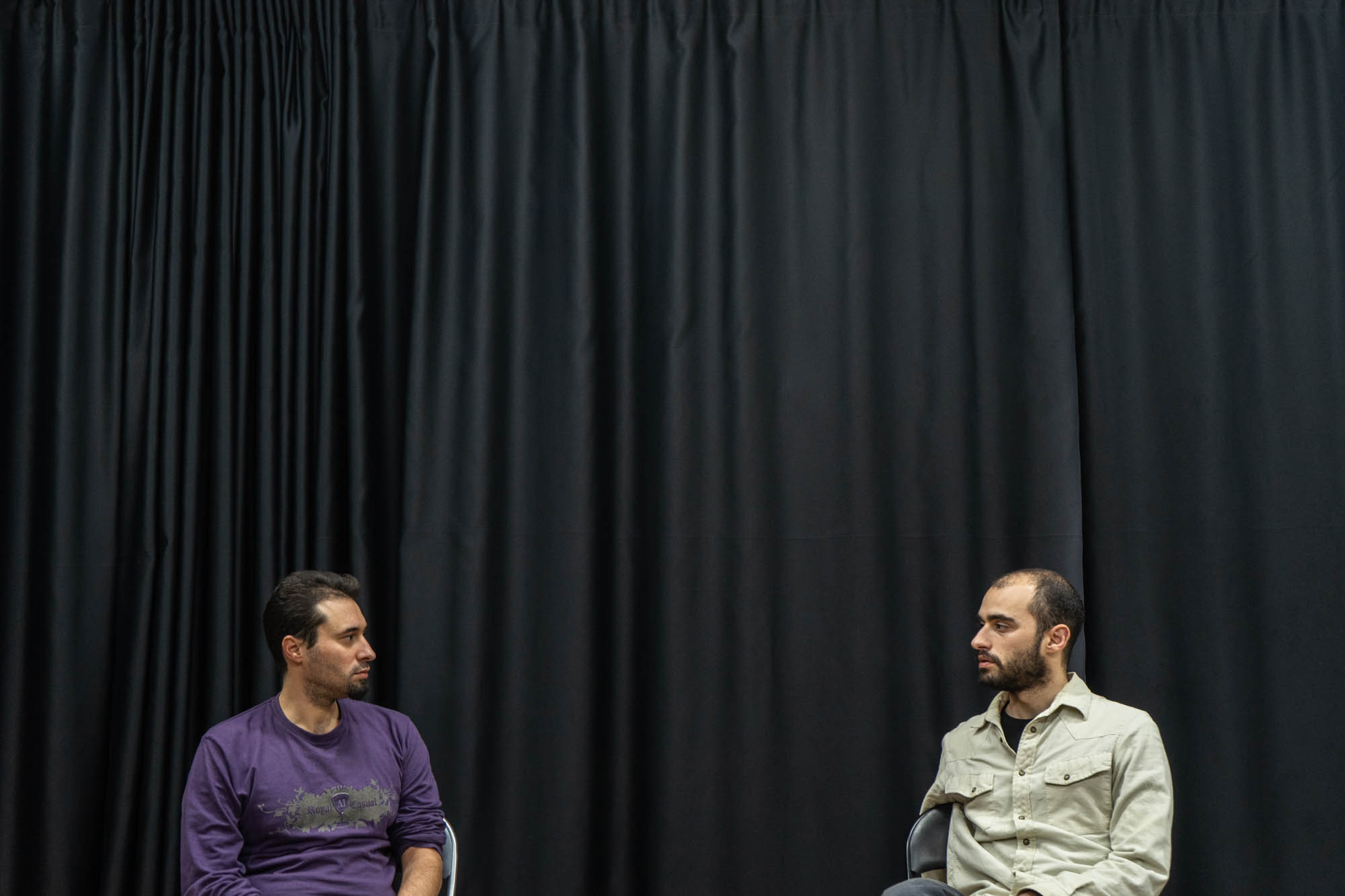
The 100% truth, this is where Demidov’s technique leads the actor. For Demidov, verisimilitude is not enough. Demidov’s practises cultivate the transformation of the actor, externally and internally, through the surrendering to genuine feelings and genuine physical sensations. This process rejects the imitation of the experience and requires 100% true life onstage.
The concentration cultivated by Demidov’s training is not wilful and imperative, but the natural outcome of the Culture of Calm and the Culture of Passivity. The actor is not trained on wilful focusing but in the cultivation of a sense of calm, which opens paths and perceptive channels inherent to our nature. Concentration is naturally connected with a sense of openness and non-resistant admitting, that influences the truthfulness of our reactions (without any intellectual preconception or imperative direction.)
The heightened technique of emotions
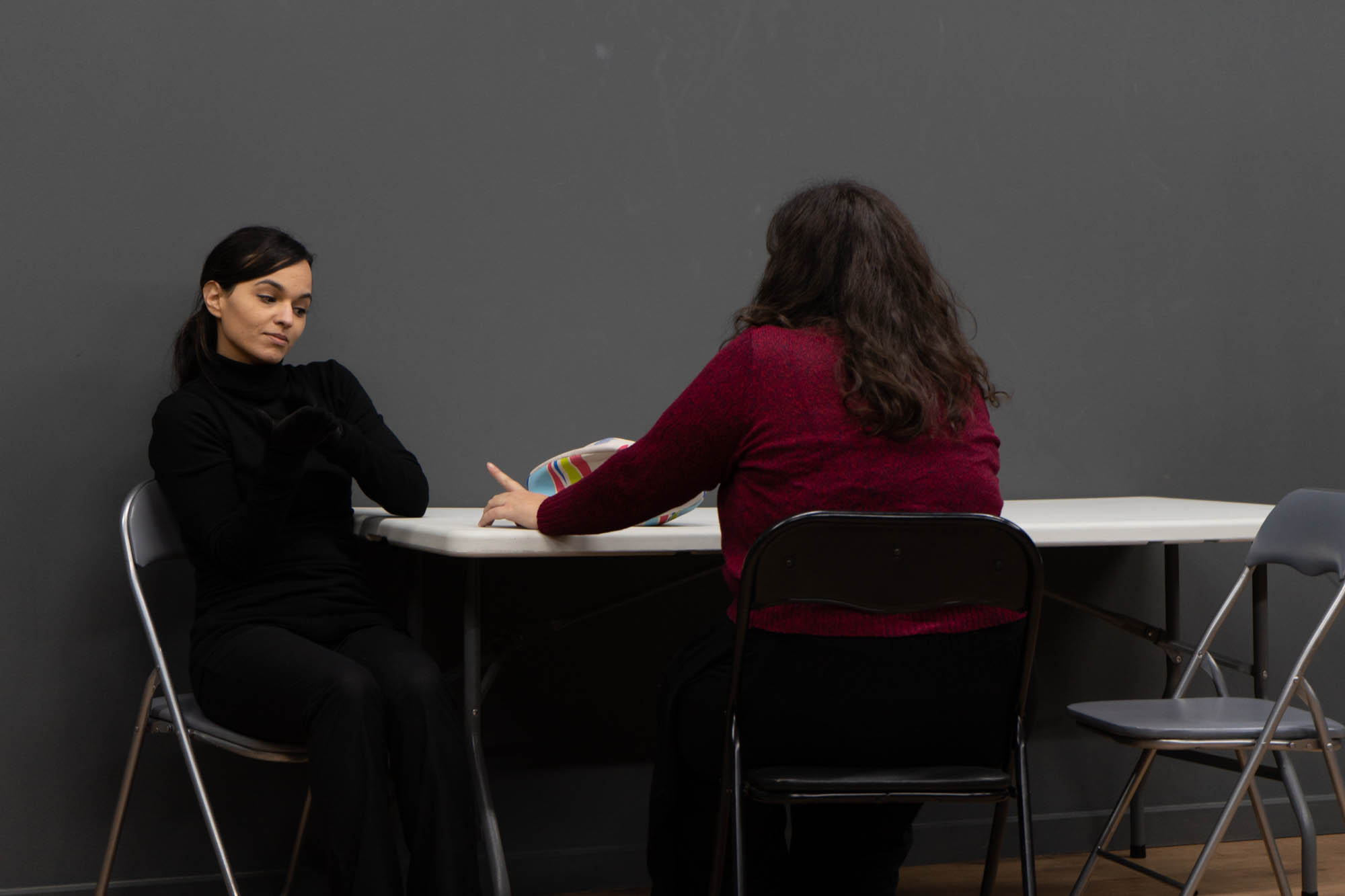
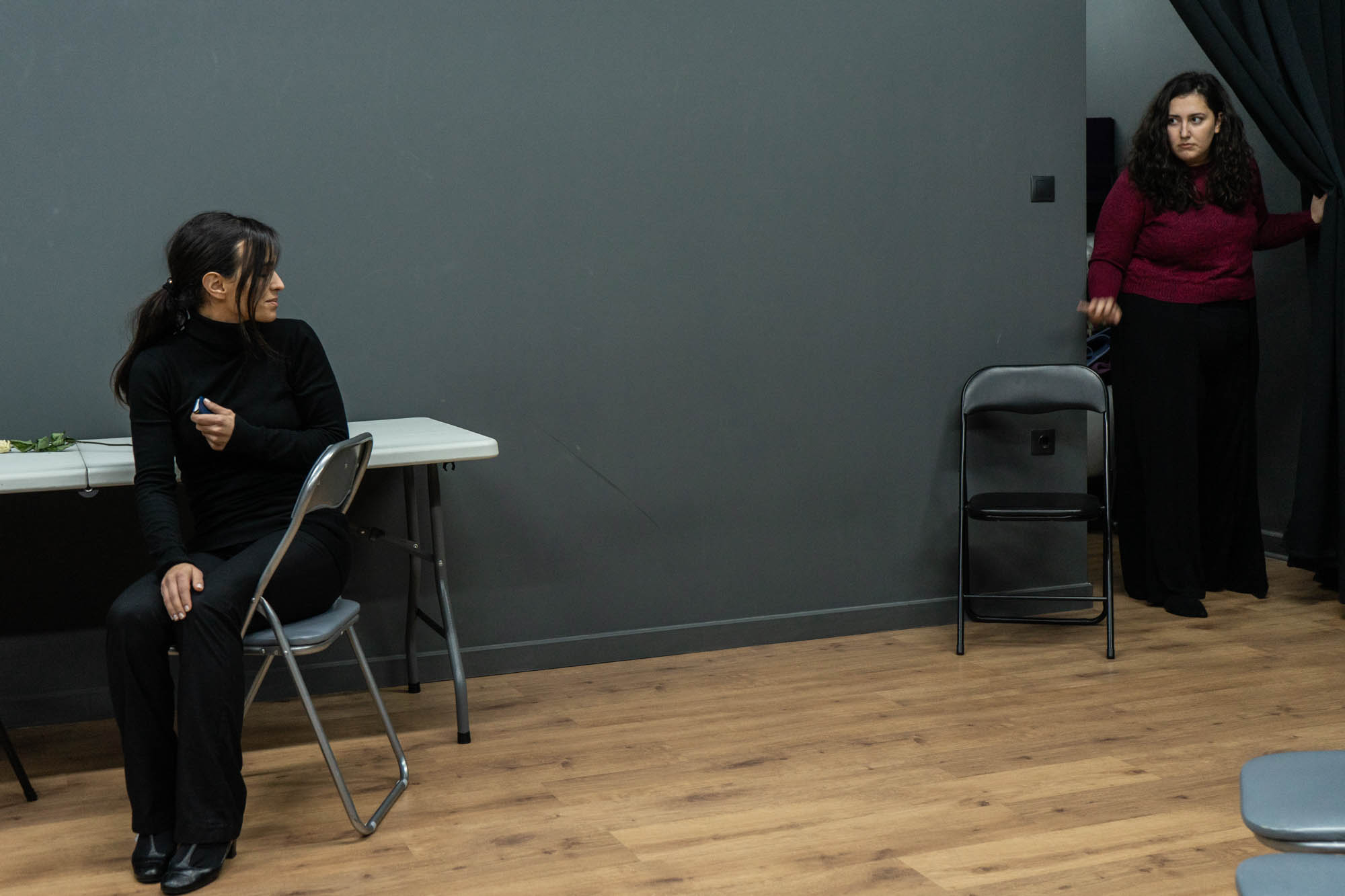
Demidov’s etudes and scales help the actor turn his intimate scale-work into a creative rebirth of his abilities and inner resources. For Demidov, the creative process is indivisible and cannot be separated into elements. The fundamental demidovian etudes (the roots of his school that need to be trained on a daily basis) do not divide the elements of the creative process and help the actor to be naturally complex without being complicated or intellectually analytical. The creative actor, who craves for the “truth of passions”, which are connected to the lofty spheres of heightened emotions, can only experience true life onstage as a whole. For Demidov, everything is hidden in an embryo and you, as an artist, should train your entire psychophysical instrument as a whole (through very concrete exercises and techniques), in order to create the best possible circumstances for the survival, the nurture and the development of this embryo.
The creative process as a whole
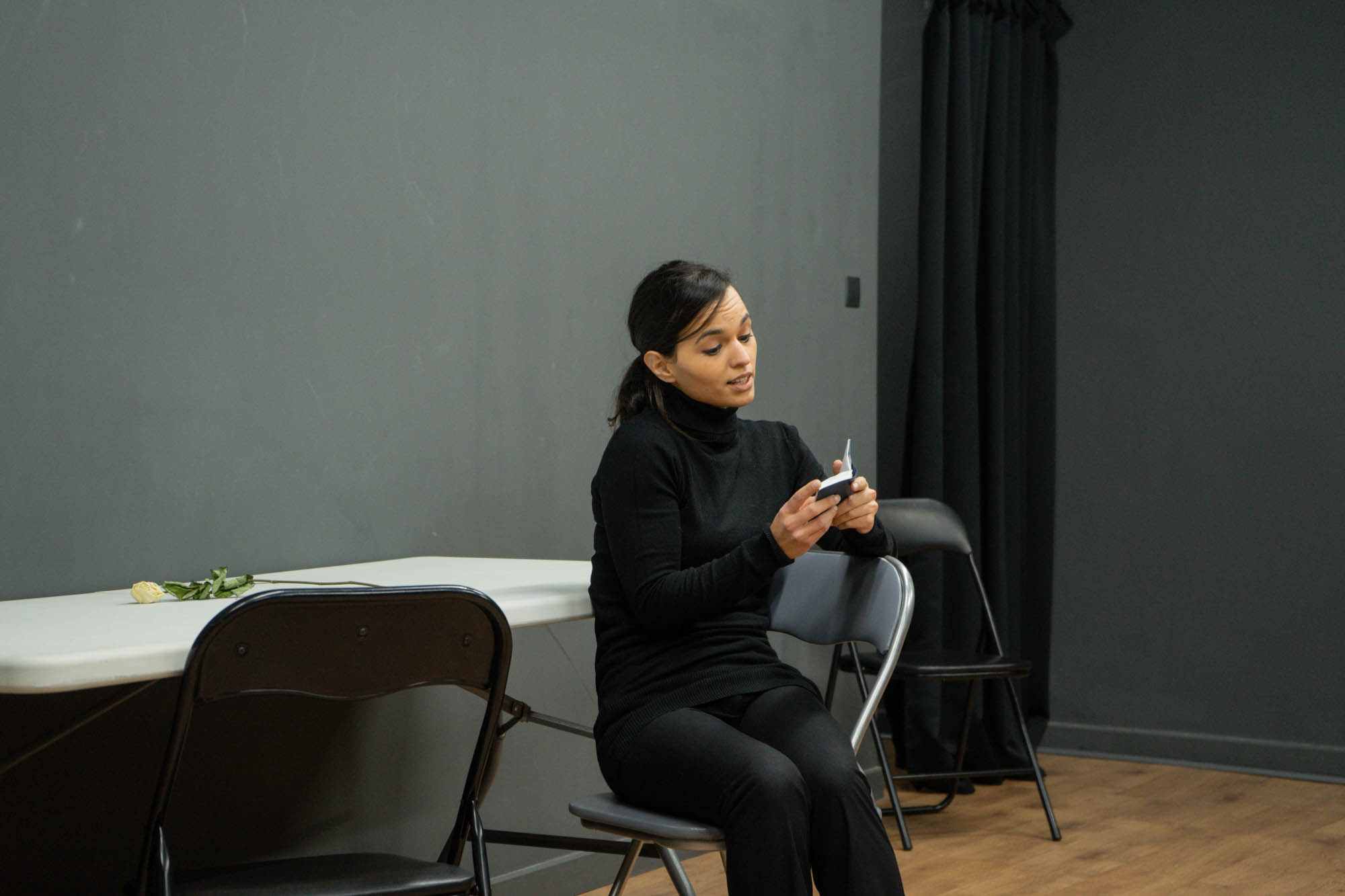
The creative freedom inspired in the actor by Demidov’s path serves a broader whole, which goes beyond the role or the performance and aims to develop the entire being of the actor-creator.
Demidov’s daily psychological scales and etudes without given circumstances acknowledge that the imagination which is inherent to the art of the actor, is deferent from the director’s or the author’s imagination. Actor’s imagination is in unison with his ability to experience imaginary circumstances with his whole being (physically and emotionally) and to embody them.
The School of Creative Freedom aims to cultivate the affective actor (tragedian), the actor who can fearlessly, meet heightened emotional standards, naturally and organically. Demidov’s School is rooted in the unconditional admiration, respect and love for the actor and his creative process.